What to say to a cancer patient
About this Video
Have you ever wanted to reach out to someone with cancer but found yourself staring at your phone, unsure what to say? I know that feeling from the other side. Seventeen years ago, after my stem cell transplant, I learned that the perfect words didn’t matter nearly as much as simply showing up. In this video, I share what genuinely helped during one of the hardest seasons of my life, the phrases to avoid, why caregivers need support too, and how small, thoughtful actions often mean more than we realize.
Transcript
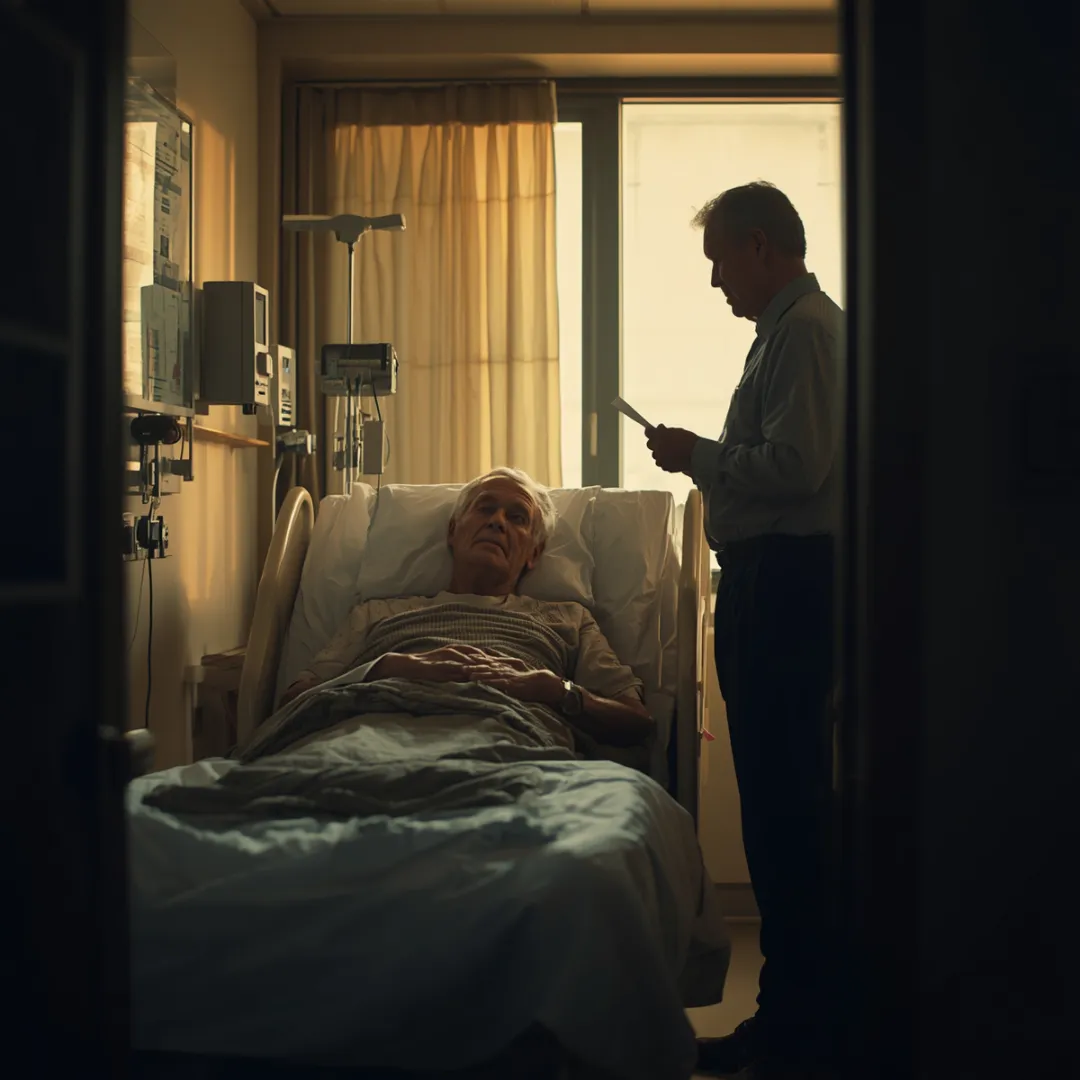
17 years ago, I was lying in a hospital bed with no white blood cells, mouth sores so bad I couldn’t eat, and chills that wouldn’t stop no matter how many blankets they piled on me.
You know, I just had a stem cell transplant for mantle cell lymphoma, and every day was a quiet race. Would my body regenerate white blood cells before I picked up an infection my immune system has zero ability to fight?
I was lucky. The white blood cells came back. The story continued. But here’s what I remember most as vividly as the physical misery, how hard it was for the people who loved me to figure out what to say.
And I get it. I really do. When someone you care about is seriously sick, your brain freezes. You draft texts and delete them. You rehearse things to say and abandon them in the parking lot. You care deeply, and suddenly you can’t remember how normal human conversation works.
So today I want to give you something practical. Not as an expert. I’m not a therapist or a grief counselor, just a guy who’s spent a fair amount of time in cancer world and has some clear opinions about what actually helps.
Here’s the first thing. The bar is lower than you think. I wasn’t grading anyone on the quality of their words. I just hoped they’d show up.
“I’m so sorry. I’m here. No pressure to respond.”
That’s enough. Short, calm, true. That’s all you need for the first message.
What you don’t need:
“Everything happens for a reason.”
“You’re so strong.”
Or stories about your neighbor who had the same thing and was totally fine.
Those are for your comfort right now. This isn’t about your comfort.
Second thing, be specific with your help.
“Let me know if you need anything”
sounds caring, but it puts the work back on the sick person.
“I’m dropping off dinner Tuesday at 6:00. Does that work?”
just solves a problem. When someone is depleted and scared, removing friction is a genuine gift.
Third thing, and this one almost nobody talks about, check on the caregiver.
In my case, that was Suzanne.
She managed every appointment, every medication, every logistical detail while I was essentially out of commission, and almost nobody asked how she was doing. Nobody brought her dinner. Nobody texted just to check on her.
Caregiver burnout is real. The best thing you can do for a cancer patient is take care of the person taking care of them.
And finally, keep showing up.
The calls and casseroles come fast at the beginning, then fade around week three, but the treatment doesn’t fade. The fear doesn’t fade.
The friends who showed up eight months later, who still check in at scan time, those are my people.
You don’t need perfect words. You need honest ones and the willingness to come back. That’s it.
I’d love to hear what’s worked for you on either side of this. Leave a comment, and let’s figure this out together.
And hey, I’ll see you here next week.
