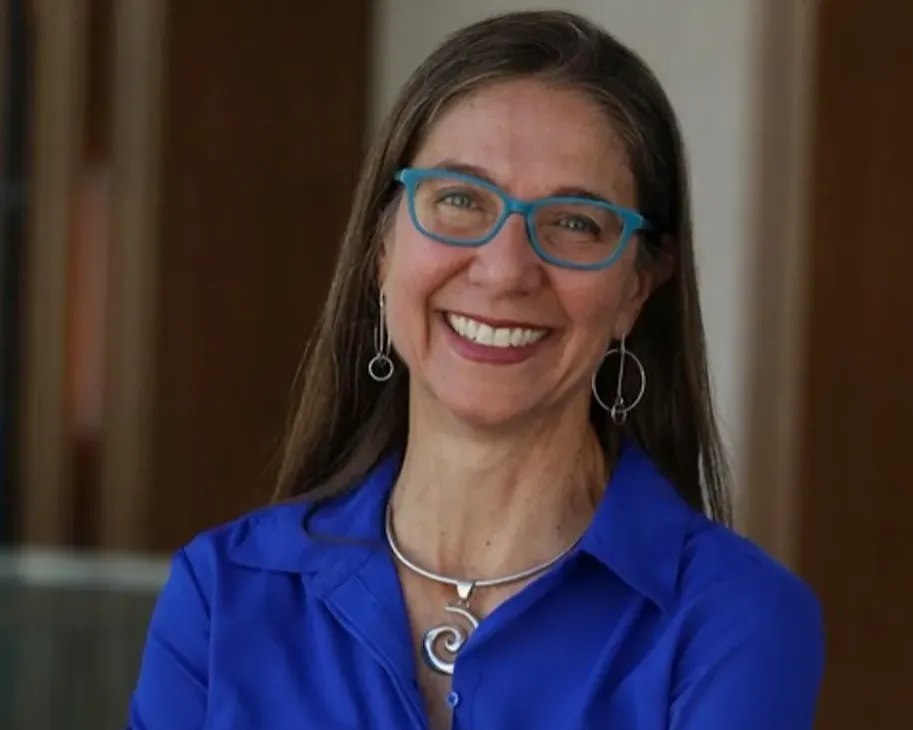
The Long Strange Trip Episode 35: The Biggest Mistake People Make About Getting Older | Sky Bergman
About the Episode:
What Does It Really Mean to Age Well?
What if aging well has less to do with staying young and more to do with figuring out what makes life worth living?
I've been thinking about that a lot lately.
We spend so much time talking about what happens as we get older. What we lose. What we can't do anymore. How we can stay healthy and keep going for as long as possible.
But what about the other side of aging?
What makes life meaningful when things change? What helps us get through the hard times? And what can we learn from people who've been around long enough to see life from a few different angles?
I sat down on The Long Strange Trip with Skye Bergman, the filmmaker behind Lives Well Lived, a documentary featuring 40 people over 75 who share a collective 3,000 years of life experience.
That's a lot of living. And a lot of wisdom.
There's More to Aging Than Staying Healthy
I think it's easy to get caught up in the physical side of aging.
Can I still do the things I used to do? How long can I stay active? What happens when my body starts telling me I can't do something anymore?
Those are real questions. I've had to face some of them myself.
But Skye's film got me thinking about something bigger.
What makes a life well lived?
It's not just how long we live. It's what we do with the time we have. It's how we respond when things don't go our way, how we treat the people around us, and whether we can still find reasons to laugh when life gets difficult.
I don't think there's one answer to that question. But I suspect the people who've lived through the most have a few things worth teaching us.
Humor, Inner Strength, and Getting Through the Hard Stuff
One of the things that stood out in our conversation was the importance of humor and inner strength.
Life is going to hand us things we didn't ask for. We lose people. Our health changes. Relationships get complicated. The plans we made don't always work out.
We can spend a lot of energy wishing things were different.
I've done that myself.
But at some point, we have to figure out how we're going to respond to the reality in front of us.
That doesn't mean pretending everything is fine. And it certainly doesn't mean we have to put a positive spin on every difficult experience.
Sometimes things are just hard.
But maybe humor helps us carry some of that weight. Maybe inner strength isn't about never struggling. Maybe it's about finding a way to keep going without losing our connection to the things that make life worth living.
What Happens When Work Is No Longer Your Identity?
Skye and I also talked about retirement and what happens when people leave behind the careers or businesses that have defined them for decades.
This one hits close to home for me.
When you've spent years building a business, it's easy to make that business part of who you are. It gives you structure, relationships, challenges, and a reason to get up in the morning.
Then you leave it behind.
And you may discover that figuring out what comes next is a whole lot harder than you expected.
Who are you when you're no longer the person running the company?
What gives your days meaning when work isn't organizing your life anymore?
I don't think retirement is simply about finding something to fill the time. It's about figuring out who you want to be in this next part of your life.
And maybe that starts with asking a different question.
Instead of asking, "What am I going to do now?" perhaps we should ask, "What do I still care enough about to contribute?"
We Still Need to Matter to Someone
I keep coming back to the idea of contribution.
We all want to feel that we matter. That we have something useful to offer. That our experience can make a difference to somebody else.
That doesn't have to mean running another business or taking on another big project.
It might mean helping a younger person work through a difficult decision. It might mean showing up for a friend. It might mean sharing a mistake you made so someone else doesn't have to learn the same lesson the hard way.
The form can change.
The need to feel connected and useful doesn't necessarily disappear when we get older.
And maybe that's something we don't talk about enough when we talk about retirement and aging.
We spend so much time planning how we're going to support ourselves financially. We don't always spend the same amount of time thinking about how we're going to stay connected, keep learning, and contribute to the lives of other people.
What If We Learned From Each Other?
One of the things I appreciated about Skye's work is the opportunity to hear directly from people who've lived through decades of change.
But I don't think the lesson is that younger people should simply sit down and listen to their elders.
It has to work both ways.
Older people have experience. Younger people bring different perspectives, new ideas, and questions we might never have thought to ask.
We all have something to learn.
The trick is being willing to have the conversation. To ask questions instead of making assumptions. To listen without immediately deciding whether the other person is right or wrong.
And maybe to recognize that wisdom doesn't always come in the form of advice.
Sometimes it's in a story. Sometimes it's in a laugh. Sometimes it's in the way someone has learned to live with something they can't change.
So, What Does It Mean to Age Well?
I'm 73, and I'm still trying to figure that out.
I don't have a formula for aging well. I don't think anyone does.
But my conversation with Skye reminded me that we might be asking too narrow a question when we focus only on how to stay young, healthy, or active.
Maybe we should be asking how to stay curious. How to keep building relationships. How to find purpose when our old roles no longer fit. How to keep contributing, even when the way we contribute has to change.
I'm not coming at this as an expert. I'm a fellow traveler trying to figure it out in real time.
And I wonder what would happen if we stopped treating older people as a separate generation and started treating them as people we could learn from—and people who could keep learning from us.
Maybe aging well isn't about holding on to the life we had.
Maybe it's about staying open to the life we can still create.
Transcription:
Intro (Josh)
Welcome to The Long Strange Trip. I’m Josh, the host of the show. We’re going to dig into six areas together, finding real work-life integration instead of that brutal 95/5 split too many business owners live with. We’re going to approach retirement as an actual reinvention rather than just stopping work, and we’re facing death honestly and avoiding PTSD around death.
We’re also building resilience when life throws us curve balls, we’re sharing wisdom across generations, and finally, we’re understanding the patterns that show up in all our transitions. I’m not coming at this as an expert. I’m a fellow traveler figuring this stuff out in real time, especially now as I navigate my own dual cancer diagnosis at 73.
Welcome to The Long Strange Trip. I’m glad you’re here
Josh
Hey, how are you today? This is Josh Patrick, and we’re, we’re with Sky Bergman here at the Long Strange Trip podcast. And Sky is a, um... well, I’ll let you, I’ll let her tell you what she is, ’cause I’m not quite, quite sure what she calls herself. But she does videos of older people about wisdom, from what I can gather. Um, am I close there, Sky?
Sky 01:32
Um, close. I’m actually a filmmaker and, um, I did the film Lives Well Lived, which is currently airing on PBS, Amazon, and, uh, iTunes
Josh 01:44
Cool. how’s that being received?
Sky 01:46
Um, very well. I mean, we’ve had, um, almost 1,500 air dates and across 95% of the country. We’re, it’s rated 100% fresh on Rotten Tomatoes. We had an amazing theatrical release ba- back before the pandemic. So yeah, it’s doing great
Josh 02:07
Oh, I’m, I’m very happy for you. So, so, um, I’m assuming that a lot of people that you interviewed, maybe all of them, have their own stories about wisdom.
Sky 02:21
Mm-hmm.
Josh 02:23
there? So what
Sky 02:25
absolutely
Josh 02:27
Is there anything that’s a through line that basically all of them are saying, or at least most of them are saying
Sky 02:37
Yeah. Well, sh- I should say, back up just a little bit and, um, you know, just to give some context, uh, I did this film based on my grandmother, whose hair, who was, um, uh, 100 and still working out at the gym, and I was looking at approaching 50 and looking for positive role models of aging, and of course, she was one of them.
And I, um, set about on this very personal quest, not knowing I was gonna make a film, but I ended up interviewing 40 people with a collective life experience of 3,000 years. They were all over 75. And, um, and I think that the big through line really was, uh, it wasn’t really about diet or exercise, although my grandmother always said she never ate processed food.
Uh, it was much more about having a sense of purpose, um, having a good sense of community. So, you know, we’re hearing about the loneliness epidemic, and I think that’s a big part of it, is feeling like you are s- part of something bigger than yourself. So you’re a part of a, a group of friends or family, whatever it is.
And then I think, um, the third and the fourth thing that really go hand in hand are, uh, this idea of resilience and positivity. And I know resilience seems to be a word that’s being overused lately, but the reality is that most of these people that I, um, interviewed had gone through really traumatic times because of World War II and, you know, those kind of things.
But they always had this idea of looking at life as the glass is half full rather than half empty and, um, and bouncing back from that and reframing. And I think the thing that I learned is that the only thing that we really have control over is our attitude. You know, Viktor Frankl talks about that in his book, Man’s Search for Meaning.
Really, uh, we can’t control the things that happen around us, but what we can control is our attitude about how we deal with those things.
Josh 04:49
Yeah, that’s, that’s more, that’s more than true. So I wanna, uh, pull on a thread of resilience
Sky 05:00
Sure
Josh 05:01
um, one of my questions about resilience is, it seems to me there’s two types of resilience. There’s the resilience from without, which is brute force resilience, where somebody or something is making you do something.
Sky 05:27
Mm-hmm.
Josh 05:28
internal resilience where you start, you get strength. I actually like the word strength better than resilience. You get strength from something that’s happening inside you. Um, did you notice a difference between those two with the people that you were making films about?
Sky 05:46
Well, I think that, um, for the most part, those people that I was making the films about, it was more of an internal strength, you know, that they... The things that were happening externally, um, they were deal- I mean, it was life things that happened. Um, but internally they were able to maybe turn that around a little bit and to really see the positive and the negative.
And I think that that’s something that we could all use a little bit of. I mean, I wake up sometimes on the wrong side of the bed, and I think about the people in my film and it kind of, I have an attitude adjustment, and I think that that, it, that has to come from within. You know, I think there’s, yous talked about brute force and, um, I think that only lasts for so long.
I think that, that, you know, internal sort of measure of attitude and, um, resilience and inner strength maybe that’s a, maybe a better word to, way to say resilience is what really carried people through long term.
Josh 06:58
It, it almost seems like when you’re talking about inner strength or just strength period, that you’re talking about, “Gee, I’m gonna worry about the things I can control and let the things I can’t control go away and let other people worry about it,” who, who have a need to be, worried about everything, I guess.
Sky 07:25
I guess, but I think also, um, I, you know, the most recent film that I did, The Jolitologist, is about a man named Allan Klein, who, um, he, he was married and his wife, very young, discovered that she had a rare liver disease and, um, ended up passing away. But he found that the way that they got through those difficult and challenging times was through laughter and humor.
And so he talks about the healing power of humor, and I think that that also is a part of this conversation about this internal strength. I don’t know if it’s a matter of I’m not gonna worry about the things I, you know, let other people worry about things, or just kind of finding ways that as a human being that we can deal with these really tough, challenging things that come our way.
How do we deal with that? Is it through laughter? Is it through reframing? Is it through an attitude adjustment? I think all of those things, um, help people that I found, that I interviewed in my films, really live a happier and healthier life. Because of course, stress adds a tremendous amount to our health.
We sometimes discount stress as being a factor in way- whether we’re healthy or not, and that’s a huge factor in whether you really remain healthy and active and engaged.
Josh 09:10
Norman Cousins, uh, was kind of famous for talking about how he made it through his cancer experience. It was, I think it was either by... I think it was watching Marx Brothers movies, if I’m not mistaken, so he could laugh a lot
Sky 09:30
Right
Josh 09:32
day. And, um, you know, that-- My uncle, who’s 96 years old, by the way, he’s a, he’s just a fascinating character, and every time we talk, he says, “Have you had a laugh yet today?” And if I haven’t, he will make me laugh
Sky 09:52
That’s great. I think laughter is good medicine. I mean, it really, uh... I, um, one of the things that I do when we show the film is we have these red noses that we give out, because, you know, it’s hard to take life seriously when you have a red nose on. And, um, I think, you know, this is something that Alan uses as a trick just to kind of break that cycle.
Like, things sometimes get so heavy, and if you put one of these on, it’s really hard to stay in that heavy moment, right? It lets us laugh and breathe. And when we laugh, all the systems in our body get a workout. You know, you breathe deeper, and you just, it, it, you just feel incredibly better when you laugh.
And, um, I think when we’re, when we’re younger, we laugh a lot more than we do when we’re older, and it’s, uh, we sort of lose that. And so how can we get back to a little bit of, of levity and not taking things so, so seriously?
Josh 10:52
I was gonna say, how much of that is about taking yourself seriously versus not taking yourself seriously? Did you find that most of your subjects for your films were, did not take themselves all that seriously, or did they take themselves seriously, or did they not think about it at all?
Sky 11:20
Yeah, I think, uh, I don’t know i- you know, it wasn’t something that they said necessarily, but I think that what I learned from all of them is that, you know, when we’re younger, we do tend to take ourselves a lot more seriously and also worry about what other people think. And, uh, one of the gifts I have found for myself and all the people that I interviewed is that when you, um, are older, you sort of learn, “Nah, I don’t care what anybody else thinks, and I’m gonna do the thing that feels right for me.”
And, uh, it really takes away a lot of that stigma and a lot of that, you know... There’s, there’s just something that lightens the load, I think, when you feel that way, when you just feel like, “I can be myself, and, uh, and we’ll let the chips fall where they may.”
Josh 12:10
Curiosity, and this just came across my thought process, which happens a lot when I do these things, is that, um, wondering, did you... The people that you were f- made films about, did they make themselves consciously vulnerable, or did they not, or was that just something that they really didn’t think about?
Sky 12:36
Uh, that’s a good question. I think that they did make themselves vulnerable. I don’t know if it was con- a conscious decision or not. Uh, but one of the things that I really tried to do was to, I would meet people ahead of time before I brought any camera gear so that it really became a conversation rather than an interview.
’Cause I think sometimes when people, you know, it’s an interview, they get all, like, worried and nervous. And I really also tried to make it so that when I, um, would interview people, it was usually me and maybe me and an assistant, so we didn’t have a big crew, and it really was a conversation, and I think that allowed for more vulnerability.
People also knew that I was doing the film out of a love of my grandmother. That helps. I think, you know, when you’re authentic, that comes through and people feel that and then feel more comfortable opening up. And I will tell you that there were times where there were people that I interviewed who, um, shared stories that they hadn’t really shared with anyone else.
I, there were a couple of times when I had other family members kind of sitting in the background ’cause they just wanted to be there for the interview, and afterwards they would come up to me and say, “Wow, I never knew that about my mom or my dad,” or, you know. Because maybe they just hadn’t asked those questions, um, and, and maybe it was just in the context of, you know, this interview that these people felt like they could, they could share it.
So I really feel like o- people opened up quite incredibly in such a short period of time. But that was, you know, setting the stage to make that, make people feel comfortable and, um, safe in being able to open up.
Josh 14:18
So do you think your, the, your subjects, your old people subjects were unique or were they like pretty much average old people that you would just find on the street?
Sky 14:31
Well, I think that one of the things that, um, maybe distinguished them is that I, um, in order to find the people, I put a call out to all my friends, family, and alum from all the years that I’ve been teaching, and, um, I said, “Here’s this one-minute clip of my grandmother at the gym. I’m looking for other people like her that are an amazing role model to you.
Please nominate them for this project.” And that was how I got the nominations, and that I sifted through them and then figured out who I was gonna interview. So I think there was a bit of a selection process in that, um, these were people, the, the people that I interviewed were people that were role models to somebody else.
So, um, I think that that really set the bar at a certain level because I wanted to have role models for me of positive aging. And so, you know, so I was like, “What is their secret,” right? “Why are they doing well?” And, um, and I think that we see in the media many times all the negative aspects of aging, but I don’t think the positive aspects are really as, um, as put to the forefront as they really need to be.
And I... This was going back 15 years ago when I started this project. I think things have changed a bit, which is really lovely. I mean, there’s all these podcasts and TV shows and things like that, that not only show aging well, but also intergenerational connections, ’cause I think that that’s vitally important to, as we, um, move through the world, that to have those connections between generations.
It’s something that kind of got lost along the way, and I feel like the world is suffering as a result. But I think that, um, you know, there was a bit of, uh, of self-selection in terms of who I even looked at for the film and who I even, um, you know, interviewed.
Josh 16:43
Well, I, I’m curious about intergenerational connections,
Sky 16:47
Mm-hmm.
Josh 16:48
to me the world is doing the best it can to keep that from happening.
Sky 16:53
Yeah, we live in a very age-segregated world, for sure. Yeah
Josh 16:58
you, you look at these Dell web ads I see on TV, show all these happy seniors, and there’s nobody under 55 years old in
Sky 17:12
Right. Right
Josh 17:15
it’s like we’re gonna only be with ourselves. I personally believe that’s incredibly dangerous,
Sky 17:23
Угу
Josh 17:24
you know, intergenerational sort of stuff, there’s a lot of things we can learn from Gen Z and millennials and, um, I forgot what they call the, the group coming up. I think it’s Gen A or something like that. Um, and there’s a lot they can learn from us, but we
Sky 17:49
Yeah
Josh 17:51
have, we need to have open and regular conversation for that to happen. You know, that’s one of the things that, um, I ask the question a lot is, if I gain wisdom, how can I share so others will listen?
Sky 18:05
Угу Well, I think that one of the things that I realized when I was working on this film was I wanted to create more intergenerational connections. I grew up in a four-generational household, actually, with my great-grandmother was alive when I, till I was almost 20, and I lived with my grandparents. And so, um, you know, I kinda just took it for granted that everybody had that and because my grandparents’ friends were around and all, you know.
So I, I took that a bit for granted until I worked on this film. And, um, I think that, uh, one of the things that really struck me was that I would take assistants with me sometimes, like I said, students, and, um I had a student one time who, after I interviewed this guy Lucky Louie, who was very talkative, really lovely Italian man, and it, uh, he said, “Wow, I never knew older people could talk so much.”
And I said to him, “Well, don’t you have an older person in your life?” He said, “Well, yeah, I have a grandfather, but we don’t see each other that much.” And, um, it was right around Thanksgiving, and I said to him, “Look, I- you’re gonna go home for Thanksgiving. You’re g- actually gonna see your grandfather. Take these questions that we just asked Lucky Louie, and I want you to ask some of your grandfather.”
And he did that, and he came back grinning from ear to ear because he wanted to have a relationship with his grandfather, but he didn’t know how to start the conversation. And I think that that is often the case. We’re separated by miles and, you know, people live, family members live far away. And so when you don’t have that upbringing where you’re used to being around an older person like I was growing up, I mean, I just thought the world was intergenerational.
Um, and then you realize that we’re so siloed throughout our lives. You talked about, you know, senior living facilities, but also in senior living communities, but also think about college, right? Or, you know, we, we go into these silos. And, um, so one of the things that we have done, that I’ve done with the film is create a project called Lives We’ll Live Generations, where I work with high schools and universities around the country, and we show the film as a starting point, so they get to see kind of what older people are about and hear some stories.
And then we connect students and older adults together, and they use the questions that I formulated for the film as a starting point to have a bilateral conversation. Because I think that one of the most important things is it’s not just older adults disseminating wisdom to young people. It’s gotta be a both ways.
And, um, you know, we do a big wrap party at the end of each of these semester or quarter system, um, programs. And the biggest common thread is that the, both the students and the older adults realize that they have far more in common than their differences, and really the only difference is age. And they learn so much from each other.
But it’s breaking down those barriers, and I think that the more that we can do that... And in a pa- part of the book that I wrote, I interviewed 40 people around the globe who are doing really interesting work connecting generations through music, through, um, cohabitation, where an older person has a room and they have a college student move in, and all these different programs that are trying to break down those barriers.
And we’re more age segregated in this country than in many other countries, ’cause I live in Europe half of the year, and it’s very different over there than it is here. You see generations together, and you just don’t see that as much here in the US. So we need to do what we can.
Josh 21:49
if you go to Japan or Korea, you definitely see intergenerational stuff
Sky 21:57
Absolutely. Yeah
Josh 21:59
You know, and you just, you just, uh, triggered something in me. I, I’m a, I’m a Deadhead, which you may be able to tell by the, the title of this podcast. And, um, you know, as the Dead died off, you know, starting with Jerry in ‘95, you see these bands that were formed, and they were intergen- generational bands. I
Sky 22:26
Угу
Josh 22:27
30 years older many times, and you know, the surviving Dead
Sky 22:43
Right
Josh 22:45
30 years older than the other people in the band. I ask the question a lot is their music has lasted and is still very, very much alive years later.
Sky 23:01
Ya
Josh 23:02
a rock and ro- and for a rock and roll band, that’s unbelievable. think that you just triggered something for me is that one of the reasons that happened because the intergenerational nature of the people that formed these, what I call remnants of the Dead bands.
Sky 23:16
Угу
Josh 23:17
you know, like you had John Mayer, who had a huge following, and he formed a ba- band called Dead & Company, which had Bobby Weir and
Sky 23:27
Угу
Josh 23:28
um, with other people that were Mayer’s age. And they were selling out stadiums
Sky 23:34
Right
Josh 23:35
I mean, I mean, this is a cover band essentially selling out a stadium. A-
Sky 23:41
Yeah
Josh 23:42
now there’s talk about them continuing on with one of the people whose name keeps surfacing is Graham Lesh, which is Phil Lesh’s, the bass player for the
Sky 23:54
Угу.
Josh 23:55
son.
Sky 23:57
Угу.
Josh 23:58
I’m hoping it happens for, to me that would be a
Sky 24:04
I love it
Josh 24:06
uh, I went off into a side thing really heavy, so sorry about that
Sky 24:16
No, that’s okay. That’s the way these things go, and so, you know, you gotta allow for flexibility.
Josh 24:26
Yes. Well, I, as I tell all my guests, I say, “I have no idea where the conversation’s gonna go. It’ll go someplace.” So, um, I’ve been thinking about... Oh, what’s the word? I just had it and I lost it. This is the problem with getting old, is you lose words.
Sky 24:48
Mm-hmm.
Josh 24:49
Um, it is... Well, anyway, I can’t think of it, but, you- some people get old, and some people become, um, There’s a different word for it I use, but they’re, they’re essentially guides. And I’ve c- sort of come to the conclusion that guides are nominated. They’re not... You, you know, someone will say, “I’m a guide.” if someone says they’re a guide, they’re probably not.
Sky 25:17
Yeah. When somebody has to tell you they’re something, they’re probably not.
Josh 25:22
Right. And, and it’s a relatively small group of people who become, um, a guide, and I’m not using the right word. I’ll... Hopefully it’ll come to me. I’m going to assume that almost everybody in your group would be considered a guide
Sky 25:46
Yeah, I, I think so in one way or another because, you know, they came to me because they were a role model for somebody else, so they were already a guide, a mentor in some way. And, um, so I would say that that’s true, and I think that, you know, one of the things that’s really interesting to me is that, um, having that sense of purpose, especially later in life, um, you know, we, we have that sense of purpose in our jobs for the most part.
And then when we retire, we’re like, “Where are we going?” You know? And I think that a lot of people that I met in, uh, finding their new sense of purpose were really giving back in some way, whether it was through volunteering or doing... You know, whatever it was. And I think in those ways, that’s how we become intergenerational, because we go back into places, we fill in some of the need, and then we become mentors just by who we are and by being in the world and what we do.
And so I don’t know if it... You know, it’s not necessarily a specific mentor program, but I think that that’s the... In finding a new sense of purpose and maybe finding your way in the world as you retire from one job, many people, uh, that are doing well, um, become mentors in some way, and I think that that’s sort of a gift.
And then there’s another bunch of people that I don’t wanna be one of, uh, that just sit around and don’t do anything, and didn’t have a plan for what they were gonna do when they retire, and watch TV and don’t do... You know, there, there, there is that population. But that’s not who I wanted to model myself around.
I wanted to be one of those people that was active and engaged and giving back in some way
Josh 28:02
Yeah, they, I, I call that people who get stuck in the fog. Um, you know, there’s, there’s, um, four stages of transition that we, we talk about a lot. the third stage is, uh, what a friend of mine calls, Susan Bradley calls passage. I think, um, uh, what’s his name? Uh, oh, I can’t remember his name, but the author calls it the fog.
I kinda like the fog better.
Sky 28:28
Угу
Josh 28:29
people get stuck there, and they never leave.
Sky 28:34
Yeah
Josh 28:35
who sit there and watch TV ’cause they can’t think of anything better to do.
Sky 28:43
Угу
Josh 28:44
W- which is, you know, really, really sad. And unfortunately, it’s a very, very, very high percentage of
Sky 28:57
Угу.
Josh 28:58
country.
Sky 29:00
Угу
Josh 29:01
you know, I don’t know, I’m, I’ll just make a guess, 70, 80%. Um, I see, I see many, many people, business owners have a real hard time with this. ’Cause business owners, their whole life is their business. And when they sell their business or they close their business, both happen,
Sky 29:23
Mm-hmm. Ja
Josh 29:25
there’s, there’s, there’s this question, “If I’m not X, what am I?”
Sky 29:31
Absolutely. I mean, and that’s something that I talk about, um, not just in the film by example, but also in the book that I wrote. Because I remember that I had one of the people that I interviewed was this big, um, VP for this, I can’t even remember what, some insurance company, and he said the saddest day in his life was the day after he retired because he woke up with no sense of purpose and not knowing what he was gonna do.
And he said that, ’cause one, it was an answer to the question, what do you wish younger people knew about life? And he said, “Prepare for when you retire because, you know, you look forward to this day when you’re not gonna have to get up in the morning and whatever.” But the reality is that we all wanna feel like we are engaged and that we’re giving back in some way and that we’re useful.
And I think that when we don’t feel that way, that’s when we tend to vegetate and watch TV, like you said, because we don’t know what else to do with ourselves. And so really purposely, purposefully thinking about what are things that I enjoy that I can do in some way and give back. I mean, people in my film, like one person teaches ESL in the morning, another person makes mozzarella for his daughter’s deli every day.
And you know, whatever it is. It doesn’t have to be something monumental. But I think having that drive and having that reason of being, we all need to feel like we are giving back to society in some way. Whether we realize it or not, it just makes our life have some meaning.
Josh 31:19
And by the way, giving back to society can be a selfish activity.
Sky 31:27
Yes, exactly. Exactly
Josh 31:29
I’ll be, I’ll give you, this is my example, ’cause I’m always self-disclosing on almost everything I do. But my pod- I mean, my, uh, Substack writing, not the podcast so much, but the Substack writing is incredibly self-disclosing. And when people ask me, “Who are you doing this for?” I always say it’s for me. that doesn’t mean I’m the only one that gets value from it. There
Sky 32:02
Right
Josh 32:03
of people who are readers, regular readers, that tell me, “Boy, this has just really helped me with what you’ve gone through, ’cause I can, you know, I, I can put myself in your shoes pretty easily.” And, and that’s, that’s something that I think that people... You know, giving back is not always an altruistic activity. Giving back could be a selfish activity also, as long as there’s a purpose behind it. Does that make
Sky 32:34
Right. Absolutely. I mean, I started doing the Lives Will Live film as a very, uh, selfish, it wasn’t s- I mean, s- introspective, I guess, project of looking at, like, who do I want my role models to be when I’m older? You know, I was looking at approaching 50, and, like, what does that mean? I think especially for women, that half-century mark is a big mark.
And, uh, out of something that was a very self-reflective project became something that has really struck a chord with so many people. But that was not my original intent for doing it. It was very much a, a self-inquiry, you know? And I think that that sounds like what you’re doing with your Substack is the same way.
It’s very much a self-inquiry and how do you, um... You know, I think when you do it, again, it comes back to that word of authenticity. You know, you’re not doing it for anyone else. You’re doing it because it’s your passion, it’s your drive, and that’s what you know you have to do. And in doing so, other people pick up on what you’re doing and learn from it, and that’s the best way, I think, to, to be in the world.
Josh 33:52
So Sky, unfortunately, we are out of time, and you have been an absolutely fabulous guest, so I appreciate that,
Sky 34:01
Oh, thank you.
Josh 34:03
you for this upfront. I am sure people are gonna wanna find your films and you and
Sky 34:10
Sure
Josh 34:11
you would like them to do. Please tell us that now
Sky 34:16
Yeah, so the easiest way to find everything, my book, my films, and what’s coming up, I have one main webpage. It’s skybergmanproductions.com, and from there it leads you to all the work that I’m doing. So, um, including the Lives We’ll Live film, and I have three new films coming out, The Mochi Movie, The Jollytologist, and The Primetime Band.
Um, so I encourage you to take a look at the site. It’s skybergmanproductions.com.
Josh 34:50
Cool. And I’ve got, uh, two things I’d like you to do. One is to give us an honest rating review. If you love the podcast, you can give us five stars, and I’ll kind of do a happy dance. And if you hate us, you give us one star, and I’ll cry big crocodile
Sky 35:06
sad
Josh 35:07
all over the floor, but you won’t see it. So there. And the
Sky 35:13
Sounds great
Josh 35:15
um, if you think you’d like to be a guest on the show, I would love to talk to you about it, so send me an email. Really easy. It’s [email protected]. That’s the number two, and solution is singular. [email protected], we’ll set up a time to talk and see if this is right for you. might be a great guest like Sky, and I would love to have you on the show. So this is Josh Patrick. We’re with Sky Bergman. You’re at the Long Strange Trip podcast. Thanks a lot for stopping by. I hope to see you back here next week.
Outro (Josh)
Thanks for spending this time with me today. I really appreciate you being part of this journey. I’d be grateful if you’d leave an honest rating and review. It helps other people find these conversations, lets me know what’s landing with you and what isn’t. If you love the show, give us five stars, and if you hate it, give it one star and I’ll just cry a little bit.
Keep asking the hard questions. Keep being honest about what’s difficult. And remember, we’re all just trying to figure this out together. I’ll talk to you next time on The Long Strange Trip. Thanks for stopping by
