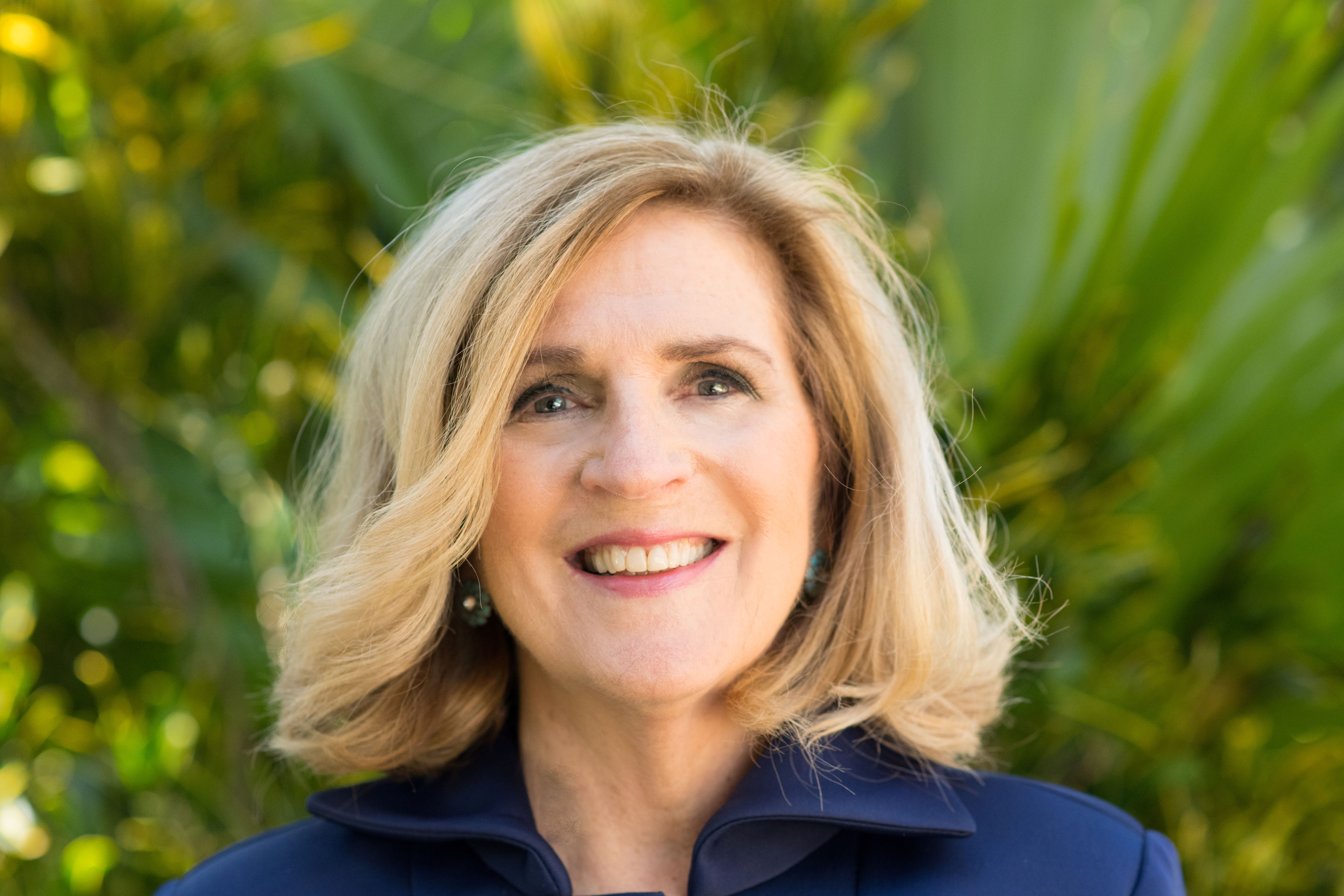
The Long Strange Trip Episode 19: Why Rushing Through Life’s Transitions Is a Massive Mistake — with Susan Bradley
About the Episode:
The Discomfort of the "In-Between": Why We’re So Bad at Being Nowhere
I was talking with Susan Bradley recently—she’s the founder of the Financial Transitionist Institute and someone who has spent a lifetime looking at the messy intersection of money and life. We got onto the topic of liminality. It’s a fancy word for a very simple, very uncomfortable reality: being caught between who you were and who you’re becoming.
It’s that threshold. You’ve left the old shore, but the new one isn't even in sight yet. And for most of us—especially those of us used to "fixing" things—it’s a nightmare.
Why Do We Rush the Exit?
In our culture, we’re taught that if something is broken, you fix it. If you’re between jobs, find one. If you’re grieving, "get over it." We treat transitions like a tunnel to be sprinted through rather than a space to inhabit.
I suspect we do this because the unknown is terrifying. Liminality is filled with ambiguity. Most people would rather have a bad plan than no plan at all. But Susan pointed out something that hit me pretty hard: by rushing to "normal," we miss the only time in our lives when we are actually open enough to change.
I’ve spent years teaching people how to navigate transitions, yet when I hit my own—turning 73 and realizing I’m not the "business guy" I used to be—I found myself doing the exact same thing. I wanted to be "effective" again. I wanted to know the answer. But what if the answer isn't the point right now?
Change vs. Transition (There’s a Difference)
Susan makes a vital distinction that I think we often overlook:
Change is the event. The retirement, the sale of the business, the loss.
Transition is the internal process of dealing with that change.
You can sign the papers to sell your company in an hour—that’s the change. But the transition? That might take years. It’s the "real work" of moving through that liminal space. If we don't acknowledge the difference, we end up wondering why we feel so stuck even though the "problem" is technically solved.
The Navigational Gap
In my world of wealth management, we usually focus on the numbers. We look at the spreadsheets and the tax implications. But the real transformation happens in the emotional journey of the person holding the money.
If you’re a professional helping someone through a major life shift, are you just providing technical solutions? Or are you acting as a navigator? Most of us have "money scripts"—hidden beliefs that stay buried until a transition drags them into the light. If we don't sit in that uncomfortable liminal space long enough to look at those scripts, we just carry our old baggage into our new life.
A Few Thoughts to Chew On
Liminality is universal. You aren't "broken" because you feel lost; you’re just in the middle.
Sit with the discomfort. It’s where the growth is. I know, it sounds like "navel-gazing," but the alternative is just repeating the same patterns in a different outfit.
The journey is the point. I hate saying that because I’m a goal-oriented person, but focusing only on the destination makes you blind to the lessons you’re learning right now.
I’m still figuring this out. I’m 73, I’m "stuck" in a few ways, and I don't have the map for what’s next. And maybe that’s okay. Maybe being nowhere is exactly where we need to be for a while.
What does your "in-between" space look like right now—and what are you so afraid of finding there if you actually slowed down?
Transcription:
Introduction (Josh)
Welcome to the Long Strange Trip. I'm Josh. the host of the show. We're going to dig into six areas together, finding real work-life integration. Instead of that brutal 9 to 5 5 split too many business owners to live with. We're going to approach retirement as an actual reinvention. Rather than just stopping work. and we're facing death honestly, and avoiding PTSD around it. We're also building resilience,
when life throws us curve balls. We're sharing wisdom across generations. And finally, we're understanding the patterns that show up in all our transitions. I'm not coming at this as an expert I'm a fellow traveler figuring this stuff out in real time.
Especially now as I navigate my own dual cancer diagnosis at 73.
Welcome to the Long Strange Trip. I'm glad you're here.
Josh Patrick (00:01.154)
Hey, how are you today? This is Josh Patrick and you're at the Long Strange Trip podcast. My guest today is Susan Bradley. Susan and I have been friends for I think close to 20 years, but I can't remember the exact date. Susan is the founder of the Sudden Money Institute, which is now the Financial Transitionist Institute. And she is one of the experts in this country on transitions.
Susan K Bradley (00:02.996)
you
Josh Patrick (00:30.15)
And Susan's been talking about a thing called liminality for a very long time now. And I've been writing about it a bit in some of my long form posts. And I thought it'd be really fascinating for us to hear about what liminality is and how do we use it and how is it something that we need to become more aware of. So let's bring Susan on and we'll start the conversation. Hey, Susan, how are you?
Susan K Bradley (00:57.982)
Thanks, I'm great. It's so nice to be with you for this conversation. Thanks for the invite.
Josh Patrick (01:00.365)
Great. Thanks. It's so nice to be with you for this conversation. Thanks for the invite. My pleasure. And you're I think you're the only person I know who can who could discuss this intelligently. So we'll go with that. So so what is liminality?
Well, liminal means threshold or the in-between. So easy way to think of it as the threshold between two spaces. You're in one space and you go through a door and a threshold and that time that you're there before you're in the next space is a liminal in-between time. In architecture, liminality shows up in an airport.
Susan K Bradley (01:18.344)
Liminal means threshold or the in-between. So easy way to think of it as the threshold between two spaces. You're in one space and you go through a door and a threshold and that time that you're there before you're in the next space is liminal, in-between time. In architecture, liminality shows up in an airport.
An airport is not built to be lived in, it's to pass through, to go from one destination to another. In life, we all go through liminal times. It is universal, but it's rarely seen, named, understood, and embraced.
Josh Patrick (01:46.145)
An airport is not built to be lived in, it's to pass through, to go from one destination to another. In life, we all go through liminal times. It is universal, but it's rarely seen, named, understood, and embraced. So why do you think that's true? I think some of the ancient cultures had
Susan K Bradley (02:11.527)
I think some of the ancient cultures had ritual and process for going from being a girl to a woman or a boy to a man, or going through different important stages within a community where you have to step out of the community, do some work, and then come back into the community. In our world, and particularly the Western world,
Josh Patrick (02:15.841)
ritual and process for going from being a girl to a woman or a boy to a man or going through different important stages within a community where you have to step out of the community and do some work and then come back into the community. In our world, and particularly the Western world, I think it's pretty much the same actually from what I know of Eastern cultures.
Susan K Bradley (02:37.951)
I think it's pretty much the same actually from what I know of Eastern cultures. There's a tendency to want to keep moving through life. Don't pause. Don't stop. When life changes, fix it. Get back on track and get going. I think the pull from nature is to take advantage of the in-betweens from the time that you were
Josh Patrick (02:42.935)
There's a tendency to want to keep moving through life. Don't pause. Don't stop. When life changes, fix it. Get back on track and get going. I think the pull from nature is to take advantage of the in-betweens from the time that you were two, you were married, and now you're one, either through divorce or through
Susan K Bradley (03:06.833)
You were two, you were married, and now you're one, either through divorce or through death. Instead of just getting back to the way it was, you never go back, you go forward. Or you get stuck. And most people don't like the in-between. A business owner, successful business owner, you know this so, so well personally, it's one thing to run a business, sell a business for
Josh Patrick (03:12.429)
in a death, instead of just getting back to the way it was, you never go back, you go forward. Or you get stuck. And most people don't like the in-between. A business owner, successful business owner, you know this so, so well. Personally, it's one thing to run a business, sell a business for success, whatever that means, and then what? There's that
Susan K Bradley (03:36.593)
success, whatever that means, and then what? There is that sense of disorientation, not being there yet, not being what I was, not being what I will be, it's the in-between. So our culture doesn't like it. Our culture generally promotes expediting through these change events, and by doing so, I think you miss some of the great
Josh Patrick (03:41.972)
a sense of disorientation, not being there yet, not being what I was, not being what I will be, it's the in-between. So our culture doesn't like it. Our culture generally promotes expediting through these change events. And by doing so, I think you miss some of the great gifts and opportunities in life, although they come with discomfort, disorientation.
Susan K Bradley (04:04.25)
gifts and opportunities in life, although they come with discomfort, disorientation, ambiguity, a lot of things that most people don't want, uncertainty. So we don't have a culture for embracing uncertainty.
Josh Patrick (04:11.66)
ambiguity, lot of things that most people don't want, uncertainty. So we don't have a culture for embracing uncertainty. So how do we learn to take advantage of this? Because in my experience, the liminal space is incredibly important. And we need to have a way of—what's the word I'm trying to think of—celebrating
in that world because it's where you actually learn stuff about yourself, I think.
Susan K Bradley (04:47.63)
Yeah, if you find your way to move, I wanna say carefully, but it's not being careful. If you're willing to allow that uncertainty to just be there.
Josh Patrick (04:48.106)
Yeah, if you find your way to move, I want to say carefully, but it's not being careful. If you're willing to allow that uncertainty to just be there.
Susan K Bradley (05:07.256)
One of the great benefits is yes, you learn new things about yourself, but you see possibilities that really didn't have much clarity if you saw it at all. We say in the transition work, you we started with sudden money and we were looking at what happens when people have a sudden financial event, up or down.
Josh Patrick (05:07.687)
One of the great benefits is yes, you learn new things about yourself, but you see possibilities that really didn't have much clarity if you saw it at all. We say in the transition work, you we started with sudden money and we were looking at what happens when people have a sudden financial event, up or down.
Susan K Bradley (05:33.107)
and how when money changes, life changes, life changes when money changes. So we got that and we studied change. Change is situational, but something happens after change and that's the transition, the transit from A to B. We learned that from Bill Bridges and from others and we put our attention on it as financial planners creating process for the financial planning profession.
Josh Patrick (05:33.47)
and how when money changes, life changes, life changes, when money changes. So we got that. And we studied change. Change is situational. But something happens after change, and that's the transition, the transit from A to B. We learned that from Bill Bridges and from others, and we put our attention on it as financial planners, creating process for the financial planning profession.
Susan K Bradley (06:02.856)
I think we did a pretty good job from that perspective. We created something that hadn't existed. But it took a long time for us to really understand what we call passage stage. You can anticipate change, you have to manage change when it happens. We call it ending stage. And then there's this passage stage. All the transition work that we have examined in our lit reviews all have some version.
Josh Patrick (06:03.231)
I think we did a pretty good job from that perspective. We created something that hadn't existed. But it took a long time for us to really understand what we call passage stage. You can anticipate change, you have to manage change when it happens, we call it ending stage. And then there's this passage stage. All the transition work that we have examined in our lit review all have some version.
Susan K Bradley (06:32.116)
of a passage stage. Bruce Lippman calls it messy middle. People have different names. I think Bill Bridges called it new normal. So different names. It took me a while to get liminality, to understand what that was. That was kind of out there.
Josh Patrick (06:32.491)
of a passage page. Bruce Lippman calls it messy middle. People have different names. I think Bill Bridges called it new normal. So different names. It took me a while to get liminality. Yes. what that was. That was kind of out there. It seems to me liminality is the journey.
Susan K Bradley (07:01.012)
you
Josh Patrick (07:01.938)
Whereas in this country, we're so focused on goals of getting to point A or going from point A to point B. We really miss that whole area of the journey. And in my experience, in fact, I just wrote about this, is the journey is far more important than the destination. Because the truth is, once we get to a destination, we say, OK,
Is that all there is?
Susan K Bradley (07:35.368)
Yeah. Yeah.
Josh Patrick (07:37.167)
And if we can pay attention to the journey, which is liminal space, I would think, it would make it much, your life becomes much more rich.
Susan K Bradley (07:51.387)
There's no question in my mind. The challenge is that it is by definition, even from the anthropology look at liminality in ancient cultures, as well as our current culture. As you know, we have an anthropologist as part of our training team. And she sees things quite differently.
Josh Patrick (07:51.828)
There's no question in my mind. The challenge is that it is by definition, even from the anthropology look at liminality in ancient cultures, as well as our current culture. As you know, we have an anthropologist as part of our training team. And she sees things quite differently.
Susan K Bradley (08:20.008)
than a financial planner would, even though she's been in the financial services world for about 15 years. So she understands both. The fact that we actually had tools and process and a lot of willingness to be deep thinking around this liminal space was shocking to her. And she reports back to her anthropology.
Josh Patrick (08:20.392)
than a financial planner would, even though she's been in the financial services world for about 15 years. So she understands both. The fact that we actually had tools and process and a lot of willingness to be deep thinking around this liminal space was shocking to her. And she reports back to her anthropology.
Susan K Bradley (08:46.612)
people around, she does these different conferences and study groups, and they're all shocked that we have process for the liminal space. They call it stacked liminality, many changes on top of each other. In financial planning, they typically say, we do that, we already do that. Because they're looking at numbers and technical and making sure that they're all right.
Josh Patrick (08:47.018)
people around, she does these different conferences and study groups, and they're all shocked that we have process for the liminal space. They call it stacked liminality, many changes on top of each other. In financial planning, they typically say, we do that. We already do that. Because they're looking at numbers and technical and making sure that they're all right.
Susan K Bradley (09:14.28)
And as long as the client has an imploder in front of you, it's probably okay. So to honor that space, I think in our profession of financial planning, is one of the versions of expediting. Just get to the other side. The numbers determine the well-being.
Josh Patrick (09:14.664)
And as long as the client hasn't imploded in front of you, it's probably okay. So to honor that space, I think in our profession of financial planning, it's one of the versions of expediting. Just get to the other side. The numbers determine the well-being. I was having a conversation with Rick Keller a couple of months ago, and he maintains that
Susan K Bradley (09:37.972)
you
Josh Patrick (09:44.617)
Liminality is 95 % of the game in financial planning. Because we all have money scripts. And those money scripts are hidden away and we need to bring them out. You know, he uses internal financial, mean, internal family systems for the work that he does. But it really makes sense to me that the technical side of financial planning
which is where most planners spend 97 % of their time, is only 5 % of the solution.
Susan K Bradley (10:20.468)
It is mind-blowing and Rick is a great thinker, a great experiencer with all of that. you know, if your orientation for a profession is your value system and your measurements for success are numbers, it makes sense that we have evolved this way. But even behavioral finance ignores liminality.
Josh Patrick (10:21.257)
It is mind blowing and Rick is a great thinker, a great experience with all of that. you know, if your orientation for a profession is your value system and your measurements for success are numbers, it makes sense that we have evolved this way. But even behavioral finance ignores liminality. Yep.
Susan K Bradley (10:50.996)
So these great bodies of work, life planning, great body of work, it ignores liminality. It's one thing to say, to discover who you are and to prepare yourself for these life events and to have confidence and know how you're going to spend your time or what you're going to learn and there's some really good thinking around it. None of that is really
Josh Patrick (10:51.369)
So these great bodies of work, life planning, great body of work, it ignores liminality. It's one thing to say, to discover who you are and to prepare yourself for these life events and to have confidence and know how you're going to spend your time or what you're going to learn. And there's some really good thinking around it. None of that is really preparing someone for
Susan K Bradley (11:19.112)
preparing someone for this other experience, which is really like, to me it's a deep undercurrents in a river. You look at a river or maybe a smaller, like even a brook or something that you can kinda get your arms around and you see it moving one way, but something else is happening. It could look calm and easy, but underneath there are the currents that really determine the direction.
Josh Patrick (11:21.255)
this other experience, which is really like, to me, it's a deep undercurrents in a river. You look at a river or maybe a smaller, like even a brook or something that you can kind of get your arms around and you see it moving one way, but something else is happening. It could look calm and easy, but underneath there are the currents that really determine the direction.
Susan K Bradley (11:47.765)
of the river and the ultimate destination. It seems to me that the liminal space will, could, this is my concern with it, because I think it's so profound and so well documented, it's universal, but our tendency in the world we live in is to name it, write some scripts on how to deal with it and equations and timelines.
Josh Patrick (11:48.168)
of the river, the ultimate destination. It seems to me that the liminal space will, could, this is my concern with it, because I think it's so profound and so well documented, it's universal, but our tendency in the world we live in is to name it, write some scripts on how to deal with it and equations and timelines.
Susan K Bradley (12:16.88)
and measurables from the outside, not from the internal client experience. If we value it in a profession, we want to kind of own it. And this is not to be owned. That makes it even tougher.
Josh Patrick (12:17.306)
and measurables from the outside, not from the internal client experience. If we value it in a profession, we want to kind of own it. And this is not to be owned. That makes it even tougher. Well, I think that doing this correctly is really hard work. Because you have to
You have to give up the expert role and become a thinking partner with someone who is in that space and is interested in having a navigator help them get through that space. And it's something that we as professionals don't do very well. You know, we believe that our clients are hiring us for our expertise.
The truth is our clients are hiring us for the outcome that they want to get. And they don't care about our expertise, especially unless they're not getting what they want. And then they start looking at that, I think. This is just something that's just popped into my head. So it's not well thought out. That kind of thinking works around liminality because it really is.
Susan K Bradley (13:31.796)
you
He he.
That kind of thinking works around liminality because it really is so wide open. It's hard to pin it down. The process of trying to pin it down could be a useful process if you hold it lightly because you may find different answers or different speed bumps or brick walls that you go in. The other thing that's interesting about liminality is
Josh Patrick (13:44.175)
so wide open. It's hard to pin it down. The process of trying to pin it down could be a useful process if you hold it lightly because you may find different answers or different speed bumps or brick walls that you go in. The other thing that's interesting about liminality is it takes a while, probably years, not months.
Susan K Bradley (14:08.422)
is it takes a while, probably years, not months. So that's that. I think nature encourages us to experience. The culture says expedite. The profession says expedite. And the profession's pretty good about putting names around things that can sound very human, but the business model is not so easy with this.
Josh Patrick (14:13.977)
So that's that. I think nature encourages us to experience. The culture says expedite. The profession says expedite. And the profession's pretty good about putting names around things that couldn't sound very human. But the business model is not so easy with this. We were just looking at this, Josh, at our mid-year conference.
Susan K Bradley (14:36.296)
We were just looking at this, Josh, at our mid-year conference, and I love so much the session that you did at that conference. Everyone was really intrigued with it, and I'm sure they'll listen to the recording many times. But when we got to the liminal part of it, I was introducing to, this is for people listening, this is a collection of financial planners from
Josh Patrick (14:43.175)
love so much the session that you did at that conference. Oh, thank you. Was really intrigued with it. I'm sure they'll listen to the recording many times. But when we get to the liminal part of it, I was introducing to this is for people listening. This is a collection of financial planners from, I don't know, four or five countries were with us. So culture is a little bit different. But we are
Susan K Bradley (15:04.21)
I don't know, four or five countries were with us, so cultures a little bit different. But we are embarking on creating a specific level of training for liminal space. And again, because you can't own it, you are the thinking partner. I like your term navigator. I think of with that immediately what hit me was the client is the pilot.
Josh Patrick (15:12.344)
embarking on creating a specific level of training for liminal space. And again, because you can't own it, you are the thinking partner, I like your term, navigator. I think of with that immediately what hit me was the client is the pilot and the financial transitionist is the navigator.
Susan K Bradley (15:35.009)
And the financial transitionist is the navigator. It's helping them see where they are at each time, but they fly the plane. So we've done a fair amount of work with that. But then, you know, it comes down to how do you deliver that experience of a thinking partner, navigator, someone to help move through
Josh Patrick (15:40.8)
helping them see where they are at each time that they fly the plane. So we've done a fair amount of work with that, but then it comes down to how do you deliver that experience of a thinking partner, navigator, someone to help move through this space, which is here. And it isn't
Susan K Bradley (16:03.46)
this space, which is years. it isn't like, I'm sure people listening to this, if you think back to a life event, and if you really give yourself some time, it may seem like it took a couple years for you to really get settled into the next. That's not unusual. But it's not all awful. Widows tell us that the first two years are the toughest, and after that, they're
Josh Patrick (16:07.575)
It isn't like, I'm sure people listening to this, if you think back to a life event and if you really give yourself some time, it may seem like it took a couple years for you to really get settled into the next. That's not unusual. But it's not all awful. Widows tell us that the first two years are the toughest and after that they're transforming into their next selves.
Susan K Bradley (16:33.448)
they're transforming into their next selves. And so that's studied more than many of the other transition experiences. But the question was, how do you even introduce the concept to a client who has just gone through a financial shift of some sort and is putting things into order? How do you, and I think it starts with,
Josh Patrick (16:37.334)
And so that's studied more than many of the other transition experiences. But the question was, how do you even introduce the concept to a client who has just gone through a financial shift of some sort and is putting things into order? How do you? And I think it starts with a conversation about liminality and wondering how do you
Susan K Bradley (17:02.316)
conversation about liminality and and wondering having someone wonder if they're really ready for that. Do they really want to engage this way?
Josh Patrick (17:07.041)
someone wonder if they're really ready for that. Do they really want to engage this way? And there's nothing that says you have to. You know, this is, you know, it's okay if somebody, at least in my opinion, it's okay if someone says, no, I don't want to do that. I just want to get through this as fast as possible. They're not going to get as good a result. But it is their life. Again, you know, they're the pilot, they get to control where we're going.
Susan K Bradley (17:15.508)
Right.
Josh Patrick (17:36.769)
And if they choose that they want to go through fast, and we are willing to help them. And that's the big thing is that we don't have to say yes to everybody. You know, it's OK to say, I'm not the right person for you. Yep, that's that's so true. But it's also how do we explain it? And.
Susan K Bradley (17:49.044)
true.
Susan K Bradley (17:54.153)
Yep, that's so true. But it's also how do we explain it? And I think the first step is to have a conversation about it before you get into designing a process. It's to recognize that it's not just a one and done. Okay, the money is there, the this is there, the house is here, boom.
Josh Patrick (18:03.02)
I think the first step is to have a conversation about it before you get into designing a process. Yes. It's to recognize that it's not just a one and done. know, OK, the money is there, that this is there, the house is here, boom. It starts with a really big question that I use this question myself as I go through
Susan K Bradley (18:24.432)
It starts with a really big question that I use this question myself as I go through my own liminal times. Some of it is right now. And the question is, what do you want to protect? As life is moving and shifting and reforming and transforming, what is it that feels that you need to always make sure is protected? And what is...
Josh Patrick (18:32.857)
my own liminal pines. Some of it is right now. And the question is, what do you want to protect? As life is moving and shifting and reforming and transforming, what is it that feels that you need to always make sure is protected? And what is that? What does it look like? And that's the kind of question. If you stay in that question and you can really answer that,
Susan K Bradley (18:52.946)
What is that? What does it look like? And that's the kind of question, if you stay in that question and you can really answer that, gives you some, like go back to the navigator, the navigator knows how to keep the plane safe while the pilot is flying. So you know the safety, there's something to be protected and everyone involved in this experience, project knows.
Josh Patrick (19:02.346)
It gives you some, like go back to the navigator. The navigator knows how to keep the plane safe while the pilot is flying. So you know the safety. There's something to be protected and everyone involved in this experience, this project knows what that is. So that's your, you go back and look at that. The other one is to really identify what are the anchors?
Susan K Bradley (19:22.132)
what that is. So that's your, you go back and look at that. The other one is to really identify what are the anchors? What is really true for you? And it could be integrity issues, it could be health issues, it could be something with relationships, but find a couple of anchors that you can always touch base with when you're considering choices.
Josh Patrick (19:32.472)
what is really true for you. And it could be integrity issues, it could be health issues, it could be something with relationships. But find a couple of anchors that you can always touch base with when you're considering choices. How does this show up? How does this keep this part of my life that I want to protect? How is that? So you have your own, you, with a guide,
Susan K Bradley (19:50.697)
How does this show up? How does this keep this part of my life that I want to protect? How is that? So you have your own, you, with a guide, you identify these touch points through a process. Someone gave me the great terminology of anchoring. And the idea was a ship out in the ocean with bad weather coming, weather.
Josh Patrick (20:01.464)
you identify these touch points through a process. Someone gave me the great terminology of anchoring. And the idea was a ship out in the ocean with bad weather coming, weather changing. You can't outrun it. What you do is you change your anchors. You stop going forward.
Susan K Bradley (20:20.424)
changing, you can't outrun it. What you do is you change your anchors. You stop going forward and you put anchors out to stabilize during the rough weather. Doesn't mean that you eliminated it, you've just survived it and you survived it well enough to then be on your way. So what are the anchors that you would throw out to stabilize yourself?
Josh Patrick (20:29.579)
and you put anchors out to stabilize during the rough weather. Doesn't mean that you eliminated it, you've just survived it, and you survived it well enough to then be on your way. So what are the anchors that you would throw out to stabilize yourself during this? These are really important conversations to have with your thinking partner.
Susan K Bradley (20:50.184)
during this. These are really important conversations to have with your thinking partner. But the thing is, like you know, it's open. There may be one answer right now, but six months later, there may be a different way of understanding that answer, or the answer has changed, because there's a reforming that's happening.
Josh Patrick (20:59.366)
And, but the thing is, like you know, it's open. There may be one answer right now, but six months later there may be a different way of understanding that answer, or the answer has changed because there's a reforming that's happening. So it seems to me, Susan, excuse me, the...
Susan K Bradley (21:20.82)
you
Josh Patrick (21:27.304)
motivating or skill that the navigator really needs to become great at is asking questions.
I call it my Aristillian method of helping people. Where Aristotle never gave an answer, he only asked questions. And I find that if I can stay in the questions, we have a much more positive conversation because the person I'm speaking with knows everything we're talking about is them and not me. And
Susan K Bradley (21:46.942)
you
Josh Patrick (22:06.031)
One of the things I think is probably true but takes a while to get there is we all have the answers to the issues that we're facing.
Josh Patrick (22:18.115)
Our job is to help people discover that, I think. And that's the liminal space. You're reminding me on that question. I don't know where I got it in the last 30 years, but I don't know that it's original. But the question was, but if you did know the answer to this, what would it be? That's me, by the way. That's I use. That's for me.
Susan K Bradley (22:23.508)
You're reminding me of that question. Don't know where I got it in the last 30 years, but I don't know that it's original. But the question was, but if you did know the answer to this, what would it be?
that was from you? Well, thank you.
Josh Patrick (22:45.1)
You know, it's my methodology for helping people learn that mistakes are okay and that if we learn from our mistakes, they're the best things in the world. If we don't learn from our mistakes, it's just a waste of time. So I would ask people, okay, what's, know, why do you think, what about this do you think caused that it happened? And the answer usually is, I don't know. My next question, well, if you did know.
What would the answer be? Okay, yep, that sounds like you. Yes. And often the person I'm speaking with will say, I don't know. So then I have a third question to follow that up, which is, why don't you just make up an answer? It doesn't matter if it's right or wrong. Just make up something and tell me what comes to mind first. And guess what that is? It's usually the answer to the question.
Susan K Bradley (23:15.828)
Okay, yep, that sounds like you. That sounds like you.
Susan K Bradley (23:43.869)
Nice.
Josh Patrick (23:43.921)
And it's a relatively gentle way to have a very difficult conversation. Yeah, I can see that. What I see follows that. Maybe not in lockstep.
Susan K Bradley (23:52.819)
Yeah, I can see that. What I see follows that, maybe not in lockstep.
But I can say personally and from my experience over the decades of doing this, the conversations that are illuminating like this, would say that's a conversation that's illuminating. Someone has discovered and articulated something important that was probably directional.
Josh Patrick (24:03.67)
but I can say personally and from my experience over the decades of doing this. The conversations that are illuminating like this, would say that's a conversation that's illuminating. Someone has discovered and articulated something important that was probably directional. One of the things
Susan K Bradley (24:29.236)
One of the things that happens next to, in my head, is to put it into some kind of a visual, to reconnect to, to recall, to use to go forward. And over time we've gone through lots of what we call one-pager exercises, but the one that is working
Josh Patrick (24:30.833)
that happens next to in my head is to put it into some kind of a visual to reconnect to, to recall, to use to go forward. And over time we've gone through lots of what we call one pager exercises, but the one that is working right now and again I use these things myself is to do the
Susan K Bradley (24:54.31)
right now and again I use these things myself is to do the, we call it quadrant, you basically just draw a cube and put four cubes inside. And going from upper left, right is what is changing, what needs to be protected, what are the choices and what are the next steps.
Josh Patrick (24:59.733)
We call it quadrin. You basically just draw a cube and put four cubes inside. And going from upper left to right is what is changing? What needs to be protected? What are the choices? And what are the next steps? And that can change 100 times.
Susan K Bradley (25:24.998)
And that can change a hundred times. But it's a way of pulling the attention into this conversation and putting it into a format that then can be used and changed and massaged and it's, sometimes I personally will remember parts but I won't remember the whole. So if I'm looking at this.
Josh Patrick (25:29.054)
but it's a way of pulling the attention into this conversation and putting it into a format that then can be used and changed and massaged. it's, it's sometimes I personally will remember parts, but I won't remember the whole. So if I'm looking at this,
Susan K Bradley (25:52.671)
then I could look at it the next month and say, wait a second, those aren't really the choices. The choices more look like this, or the next step. But it becomes a focal point that a guide and a person going through transition can share and keep it open-ended, keep it organic.
Josh Patrick (25:53.076)
then I could look at it the next month and say, wait a second, those aren't really the choices. The choices more look like this or the next step. But it becomes a focal point that a guide and a person going through transition can share and keep it open-ended, keep it organic. That makes a lot of sense. Susan, unfortunately, we're out of time. No, that's too bad.
Susan K Bradley (26:19.704)
No, that's too bad.
Josh Patrick (26:21.832)
And I didn't get to the question I wanted to ask you, which is liminality in death, which is a whole different conversation that would take probably 10 minutes. We don't have it. that will be something I would like to revisit with you at some point. And I think it would be a very interesting. To me, it's one of the interesting mysteries of our life. What happens when we die? There is that liminal space.
Susan K Bradley (26:36.252)
I look forward to that.
Susan K Bradley (26:51.092)
you
Josh Patrick (26:51.712)
There is that space where the person dying is talking to people who you don't see, but they see very clearly. And people have had near-death experiences, or out-of-body experiences like I have, or using psychedelics to help with guided journeys, and they get to that stuff. So that'll be a conversation for another time. But at any rate, Susan, how do people find you?
Susan K Bradley (26:54.119)
you
Susan K Bradley (26:59.006)
Yeah.
Susan K Bradley (27:19.828)
Maybe the easiest way to remember is suddenmoney.com. It's easier than financialtransitionistinstitute.com. And from there you can link over or my email address is susan at suddenmoney.com. Keep it simple that way. I'm always interested in conversations, random conversations, planned conversations, because I'm on an ongoing learning journey with this.
Josh Patrick (27:20.381)
The easiest way to remember is SuddenMoney.com. It's easier than FinancialTransitionistInstitute.com. And from there, you can link over. Or my email address is susan at SuddenMoney.com. Keep it simple that way. I'm always interested in conversations, random conversations, planned conversations, because I'm on an ongoing learning journey with this.
Susan K Bradley (27:49.724)
So every conversation has a little opening for me to learn something new.
Josh Patrick (27:50.151)
So every conversation has a little opening for me to learn something new. just brought up a really good point, Susan. We're all learners on this journey. The long strange trip is not about expert opinion. It's about asking interesting questions that bring more questions behind it and more questions behind it. And eventually we start seeing a different way of how the world might work.
So that's our whole purpose here. And you just encapsulated it beautifully. I have two things I'd like you to do. One is please go and give us an honest rating review. If you love this podcast, give us five stars wherever you're listening to it. If you hate us, give us one star and I'll just cry a little bit, but that's okay. And the second thing is if you liked what you heard on this podcast or any other episode we have and you think you'd be a good guest for us.
Susan K Bradley (28:38.452)
you
Josh Patrick (28:48.479)
please send me an email at jpatrick at stage2solution.com. That's the number two in solution to singular, jpatrick at stage2solution.com. And we'll set up a time to talk and see if being a guest on this podcast will be right for you. I'm always looking for interesting people I've not met. And that's the whole purpose for me with this is I love doing podcasts because I get to talk to interesting people about interesting things. And that makes my day.
Susan K Bradley (29:09.651)
I love being in the sun with you guys.
Josh Patrick (29:16.681)
So this is Josh Patrick. We're with Susan Bradley. You're at the Long Strange Trip podcast. Thanks a lot for stopping by. I hope to see you back here for our next episode.
Josh Outro:
Thanks for spending this time with me today. I really appreciate you being part of this journey. I'd be grateful if you leave an honest rating and review. It helps other people find these conversations. Lets me know what's landing with you and what isn't. If you love this show, give us five stars, and if you hate it, give it one star and I'll just cry a little bit.
Keep asking the hard questions, keep being honest about what's difficult, and remember. We're all just trying to figure this out together.
I'll talk to you next time on the Long Strange Trip. Thanks for stopping by.
