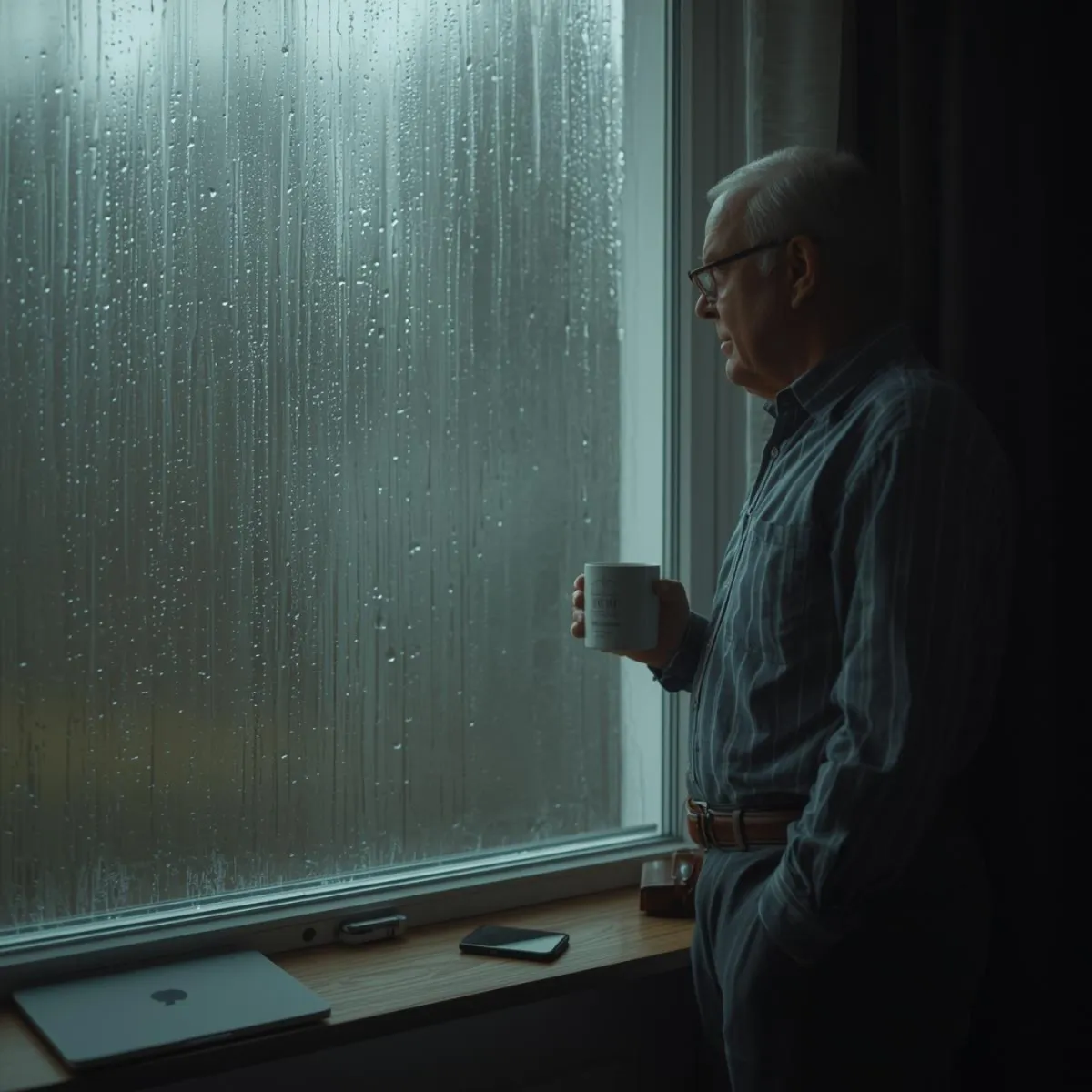
The Void After The Sale
About this Video:
Have you ever thought about what happens the day after the big exit?
I’ve spent a lot of time thinking about this—mostly because I’m living it. We spend decades building, doing, and being “the guy” in the room, but then the deal closes or the career ends, and suddenly... it’s quiet. Maybe a little too quiet.
In this video, I’m getting honest about that silence. I sat down with my friend Paul Cronin to dig into the stuff we usually don’t talk about in wealth management meetings: the identity loss, the way your social circle shifts, and that nagging question of “What now?”
I’ll be the first to admit, I teach this stuff and I still found myself feeling stuck and a bit ineffective when it was my turn to walk through the door. It’s one thing to have a financial plan; it’s an entirely different thing to have a “life after work” plan that actually feels meaningful.
If you’re facing a transition, or if you’ve already stepped away and are wondering why you feel more lost than liberated, I hope this helps you realize you aren’t alone in the navel-gazing. Let’s look at how we can navigate this space with a bit more intention—and maybe a lot more grace for ourselves.
What’s the one thing you’re worried you’ll miss most when the work stops?
Transcription:
Nobody warns you about the silence. You spend decades building something. Your phone rings constantly. People need you, decisions need making. Then one day you sell, you retire, you step back, and the next morning you wake up to nothing. No emails, no fires to put out, just you and a cup of coffee, and this creeping feeling you made a terrible mistake.
I know this feeling. When I left my wealth management business, I figured I’d be fine. I’d spent years teaching other people about transitions. Surely it wouldn’t hit me and then it hit me like a truck.
I recently sat down with Paul Cronin from Touchstone Advisors. Unlike most M&A guys, Paul actually cares about what happens after the wire transfer happens.
Paul’s been through it himself. His wife gave him an ultimatum at traveling 45 weeks a year. He spent an entire weekend in bed, not sick, just staring at the ceiling, trying to figure out who he’d be without the deals and the travel.
He told me a story I can’t shake. A CEO sold a software company for eight figures. That’s a lot of money. He went from having someone fetch his coffee to being seventh in line at the coffee shop. Nobody knowing his name, nobody needing his opinion.
That image gets me because it’s not about coffee. It’s about going from somebody to nobody overnight.
And here’s what I’ve learned.
The remorse isn’t really about money.
It comes from three places.
First, identity collapse. You weren’t just someone who worked, you were the person who runs that company. After you leave, you introduce yourself at a party and realize you have no idea what to say after “Hi, I’m…”
Second, social evaporation. Your relationships were built around shared work. When the work stops, many of those calls stop too. Not because people are cruel, they’re just busy. It still stings.
And third, the purpose vacuum. Your days had structure, problems to solve, people counting on you. Then suddenly… now what?
You know, I’m still wrestling with this one. The long, strange trip keeps me busy, but I’d be lying if I said it fills the same space as running the business. Some days I’m fighting boredom like it’s a full contact sport.
Paul drew a distinction that stopped me cold.
Purpose and meaning aren’t the same thing.
Purpose is what you do. Meaning is how you connect with and love other people around you.
After you leave work, you need both.
So what can you do?
Ask yourself one honest question before you leave.
What am I really trying to accomplish?
Push past the money answers.
Build a life outside of work before you need one. Family, health, something that has nothing to do with your business.
And expect the boredom.
It’s real.
Sit with it long enough to figure out what you actually want.
You know, Paul says something I keep coming back to.
The worst thing you can do is pretend you’re fine.
The second worst thing is pretend this feeling is permanent.
You’re not fine, and this isn’t forever.
Both are true.
You’re not the company you sold or the title you held, you’re the person who built those things.
So let’s figure out what comes next together.
And while you’re at it, why don’t you leave a comment below and let me know what you think about selling, retiring, and moving into the void.
Well, thanks a lot for stopping by. I’m Josh Patrick, you’re at the Long Strange Trip, and I hope to see you back here next time.
